
The evolution of gambling tracing the historical roots and transformations
The Origins of Gambling
The origins of gambling can be traced back thousands of years to ancient civilizations, where evidence suggests it played a crucial role in social and cultural practices. The earliest forms of gambling involved rudimentary games of chance, often using items like dice made from bones or stones. These games were not merely for entertainment; they were often tied to rituals and beliefs, reflecting the societal values of the time. For instance, in ancient China, gambling was considered an important part of festive occasions, helping to build community and camaraderie. Many modern online casinos, like mafiacasinonz.nz, capture this spirit by offering diverse experiences.

Archaeological findings indicate that ancient Egyptians also engaged in gambling as early as 3000 BC, with references found in hieroglyphs that depict games similar to modern-day betting activities. In this era, various forms of chance and luck were deeply ingrained in both social structures and daily life. As societies evolved, so did gambling, becoming more formalized and regulated, which would pave the way for the elaborate gambling establishments we see today.
The Greeks and Romans further advanced gambling practices. The Greeks introduced the concept of betting on athletic competitions, while the Romans created more structured forms of gambling with betting on chariot races and gladiatorial contests. This not only elevated the social status of gambling but also began the development of rules and regulations that we still recognize in modern gaming. This historical backdrop set the stage for the widespread acceptance of gambling as both a leisure activity and a social norm.
The Rise of Formal Gambling Establishments
The transition from informal gambling activities to organized establishments began in the late Middle Ages and early Renaissance. As European societies grew more prosperous, dedicated venues such as taverns and gaming houses started to emerge. These establishments began to offer a variety of games, such as card games and dice games, reflecting the growing popularity of gambling as a social activity. By the 17th century, the first official gambling houses were established in cities like Venice, which became a hub for bettors and gamblers alike.
In the 18th century, gambling houses became synonymous with luxury and excess, attracting the elite and wealthy individuals who sought both thrill and social status. The introduction of games such as baccarat and roulette reflected a more sophisticated gambling culture that emphasized skill as well as chance. This era also saw the emergence of the first lotteries, which offered a different kind of betting experience and quickly gained popularity across Europe, proving that gambling could also serve as a means to fund public projects.
The late 19th century marked a significant turning point with the rise of casinos, particularly in places like Monte Carlo, which became famous for its glamorous gambling facilities. The establishment of these casinos further legitimized gambling, transforming it into a recognized form of entertainment. As the casino culture flourished, it began to spread globally, leading to the proliferation of gambling options that would evolve throughout the 20th century.
The Impact of Technology on Gambling
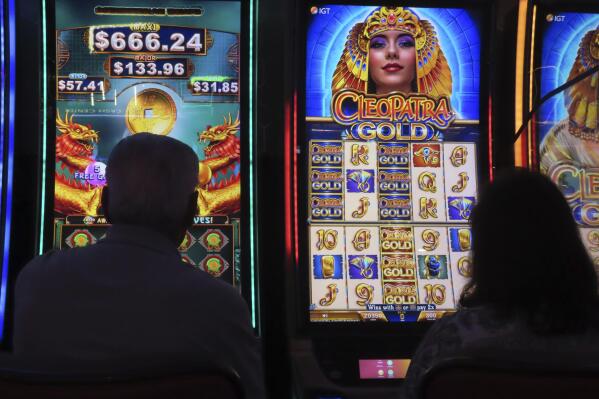
The 20th century brought about revolutionary changes in gambling, primarily due to advancements in technology. The introduction of slot machines in the early 1900s provided a new and exciting way to gamble, attracting those who preferred less skill-based games. This technological innovation enabled the casino industry to expand rapidly, as these machines became fixtures in bars and gaming establishments, drawing in players looking for quick thrills.
As technology advanced further, so did gambling practices. The development of video gaming in the 1980s introduced electronic versions of traditional games, creating new opportunities for revenue and engagement. Casinos began to embrace these innovations, incorporating video poker and electronic table games that appealed to a broader audience, including younger generations who found traditional games less appealing.
The advent of the internet in the late 1990s revolutionized the gambling landscape even more. Online casinos emerged, allowing players to enjoy their favorite games from the comfort of their homes. This shift not only expanded access to gambling but also created a new arena for regulatory challenges and opportunities. With the rise of mobile gaming in the 21st century, gambling has become more accessible than ever, driving the industry into a digital age where convenience and technology reign supreme.
The Psychology of Gambling
Understanding the psychology of gambling is vital to grasp its evolution. Gambling behavior often intertwines with human psychology, drawing players through a combination of excitement, social interaction, and the allure of winning. The thrill of risk-taking taps into fundamental aspects of human nature, such as the desire for reward and the excitement of uncertainty. This psychological pull is what makes gambling so compelling, fostering a cycle of engagement that can lead to both enjoyment and addiction.
Research into gambling behavior highlights the role of cognitive biases, such as the illusion of control and the gambler’s fallacy, which can skew perceptions of risk and reward. These psychological factors often lead individuals to believe they have more influence over outcomes than they do, perpetuating the desire to gamble. This understanding has prompted the gambling industry to adapt, introducing responsible gaming measures and promoting self-regulation among players to mitigate the risks of addiction.
The psychological aspect of gambling also extends to social influences, where peer pressure and social environments can significantly impact gambling behavior. The communal aspect of gambling, whether at physical casinos or online platforms, can amplify the excitement and lead to increased betting. Understanding these psychological factors is crucial for both players and operators to create a balanced and responsible gambling atmosphere.
The Future of Gambling
As we look to the future, the gambling industry continues to evolve, driven by technological advancements and changing consumer preferences. The rise of virtual reality (VR) and augmented reality (AR) technologies promises to transform the gambling experience, providing immersive environments that enhance player engagement. These innovations may soon allow players to enter virtual casinos where they can interact with other players and dealers in real time, creating a more lifelike gaming experience.
Additionally, the integration of artificial intelligence (AI) in gambling platforms is likely to revolutionize how games are designed and how players interact with them. AI can analyze player behavior, offer personalized gaming experiences, and create dynamic gameplay that adapts to individual preferences. This level of customization could significantly improve user satisfaction and retention in an increasingly competitive market.
Moreover, regulatory frameworks around online gambling continue to evolve, with governments seeking to balance consumer protection and industry growth. As more regions consider legalizing online gambling, the landscape will likely become even more diverse, offering a variety of gaming experiences that cater to different audiences. The future of gambling is poised to be marked by innovation, responsibility, and an increased focus on player well-being.
Mafia Casino: A Modern Gaming Experience
Mafia Casino represents the latest evolution in the online gambling world, offering players an exciting and comprehensive gaming experience. With a diverse selection of high-quality slots and live games, Mafia Casino caters to various player preferences, ensuring that everyone can find something enjoyable. The platform’s user-friendly navigation and engaging graphics make it easy for players to explore new games and discover their favorites from the comfort of their homes.
In addition to its impressive game offerings, Mafia Casino also provides generous bonuses, including a welcoming bonus and ongoing promotions. This approach not only enhances the player experience but also encourages continued engagement with the platform. The weekly cashback and reload spins offer players ample opportunities to enhance their gameplay, making Mafia Casino a compelling choice for both casual and seasoned gamblers.
As the gambling landscape continues to evolve, platforms like Mafia Casino are setting the standard for modern online gaming experiences. By prioritizing user experience, game variety, and innovative bonuses, it caters to a growing audience looking for excitement and convenience in their gambling activities. This commitment to quality and engagement positions Mafia Casino as a leader in the ever-changing world of online gambling.