
Cultural perspectives on gambling Why beliefs shape betting behaviors
The Role of Culture in Gambling Practices
Cultural norms and values significantly influence gambling behaviors across the globe. In many cultures, gambling is viewed as a form of entertainment, while in others, it is seen as a vice or a taboo. For instance, in some Asian cultures, gambling is often associated with family gatherings and celebrations, reflecting a communal spirit. This cultural acceptance can lead to higher participation rates in gambling activities, shaping how individuals perceive luck and chance in their lives. Additionally, exploring platforms like pinco casino can provide insights into various gaming experiences.

Conversely, in regions where gambling is stigmatized, such as parts of the United States and Europe, individuals may engage in gambling activities more discreetly. This secrecy can create a sense of guilt or shame, impacting their overall betting behaviors. Understanding these cultural differences is crucial, as they dictate not only the frequency of gambling but also the types of games that are popular and socially acceptable within different communities.
The relationship between culture and gambling extends beyond mere participation; it also influences the emotions tied to betting. In cultures where winning is celebrated, individuals may experience heightened joy and elation when they win, fostering a more optimistic outlook toward gambling. Conversely, in cultures that emphasize caution and restraint, the experience of losing may lead to feelings of failure, further complicating the relationship between individuals and their gambling habits.
Beliefs and Superstitions Surrounding Gambling
Beliefs and superstitions play a critical role in shaping gambling behaviors. Many cultures have specific rituals or lucky charms believed to enhance one’s chances of winning. For example, in some Asian cultures, certain numbers are considered lucky, and players may specifically choose those numbers when playing games like lotteries or bingo. These beliefs create a psychological comfort, making the act of gambling feel more favorable and less random.
Additionally, superstitions can lead to behaviors that might seem irrational to outsiders but are deeply rooted in cultural practices. For instance, a player might refuse to change seats at a poker table or may wear a particular shirt believed to bring good luck. Such practices not only enhance the gambling experience but also serve to reinforce a community’s collective identity and shared beliefs about luck and fate.
Understanding these beliefs can also explain why some individuals develop compulsive gambling behaviors. When success is attributed to luck rather than skill, players may continue to gamble in hopes of recapturing previous wins. This cycle can create a dangerous precedent where individuals become trapped by their beliefs about luck, leading to potentially devastating financial and emotional consequences.
The Impact of Religion on Gambling Attitudes
Religion often shapes moral perspectives on gambling, influencing how individuals approach betting behaviors. In many religious communities, gambling is outright prohibited, viewed as a sinful activity that detracts from spiritual growth. For instance, certain denominations of Christianity and Islam have clear stances against gambling, advocating for responsible financial management and caution against the pitfalls of greed.
In contrast, some cultures incorporate gambling into religious practices. Certain festivals might include games of chance that serve to connect communities and celebrate shared beliefs. This duality illustrates that while religion can act as a deterrent against gambling, it can also facilitate communal bonding through shared activities, illustrating the complexity of these cultural dynamics.
The intersection of religion and gambling has practical implications as well. Individuals raised in religious environments may internalize these teachings, impacting their likelihood of gambling and the emotional consequences tied to it. For example, feelings of guilt or sin associated with gambling can lead to a disconnection from the activity, resulting in sporadic engagement or avoidance altogether, further emphasizing the role of belief systems in shaping betting behaviors.
Social Influence and Community Norms
Social influences and community norms significantly affect individual gambling behaviors. In communities where gambling is a common pastime, individuals are more likely to participate, as peer pressure and social acceptance create a conducive environment. For instance, in regions where casinos are prevalent, local businesses may thrive on the influx of visitors, further normalizing gambling as a social activity.
On the other hand, in communities that discourage gambling, individuals may feel isolated or pressured to conform to the prevailing norms. This creates a dichotomy where the presence of gambling establishments can either foster a supportive community or lead to social ostracism. Understanding the dynamics of these social influences is vital in developing effective gambling policies that account for community sentiment.
Moreover, social media has transformed how individuals approach gambling. Online platforms often promote gambling through social channels, making it accessible and appealing. This accessibility can lead to increased participation and encourage riskier behaviors among younger audiences, illustrating how community norms evolve in the digital age, necessitating a reevaluation of responsible gambling practices.
Exploring Online Gambling and Cultural Perspectives
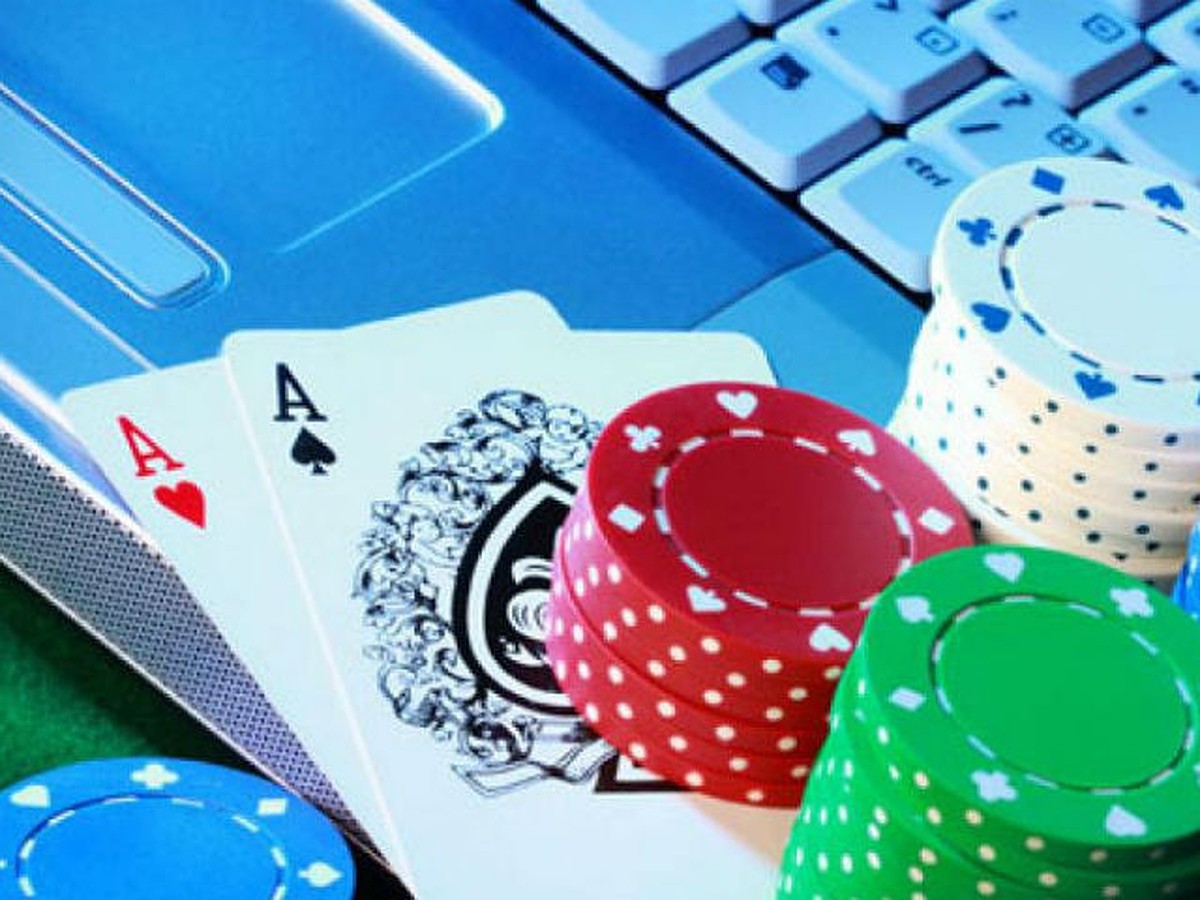
The rise of online gambling has introduced new dimensions to cultural perspectives on betting. Platforms such as Pinco Casino provide an opportunity for users worldwide to engage in gambling activities in a safe and convenient environment. With over 5,000 games available, including slots and live dealer options, players from diverse backgrounds can find something that resonates with their cultural preferences.
This transition to online gambling creates a unique fusion of cultural beliefs and modern technology. For instance, various promotions and user-friendly interfaces cater to specific cultural nuances, enhancing user experience. The integration of a unified wallet for both casino and sports betting simplifies the process, allowing players to seamlessly engage with their preferred betting methods, regardless of cultural background.
Ultimately, the online gambling landscape reflects a blend of tradition and modernity, showcasing how cultural perspectives shape behaviors. By understanding these influences, platforms like Pinco Casino can continue to promote responsible gaming while appealing to a broad audience, ensuring that players from all cultural backgrounds feel welcome and engaged in a comprehensive gaming experience.